


We are the first generation to feel the sting of climate change, and we are the last generation that can do something about it.
Jay Inslee
Hello, Lovelies.
When we first moved to Byron Bay, fleeing eleven years of drought on our organic farm in Queensland, the locals laughed that they called it a drought if they actually had to water their vegetable gardens.
We’re on the coast, and it was normal to get regular patterns of evening showers throughout the year. True to their word, we almost never had to take a hose to the garden except to water in new seedlings or at the height of summer, a few times over the season. I thought we would be protected from drought here. I was wrong.
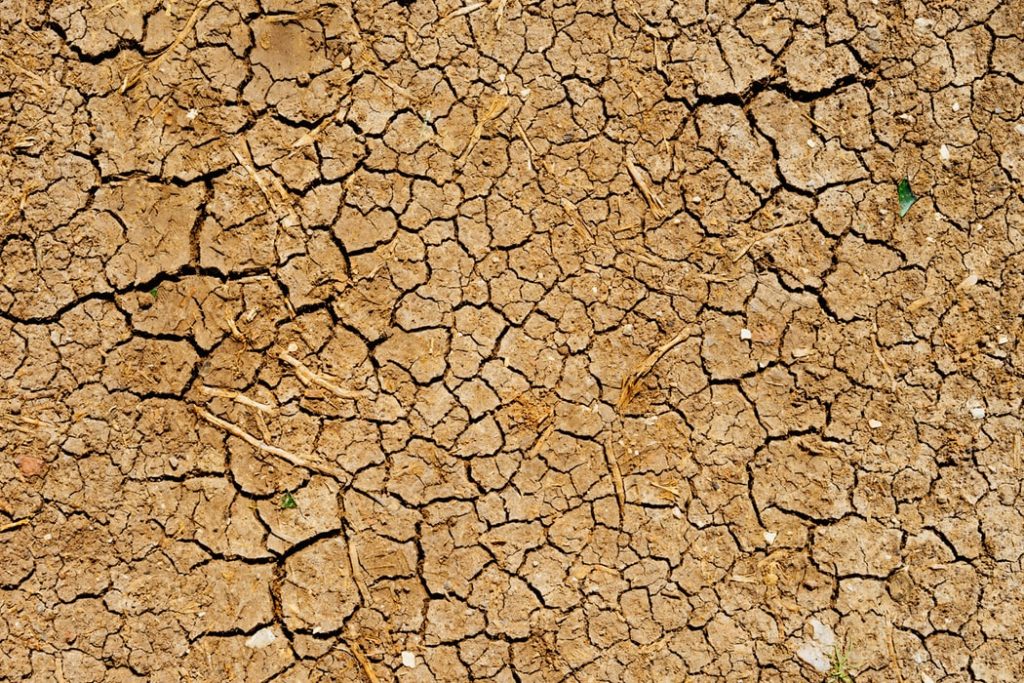
It’s dry at the farm right now. We’re midway through Spring and it looks like the tail-end of Summer. The paddocks are brown where there should be green. The old rainforest trees that died in the last long period of drought are being joined by more that have given up. As I walk around my yard I count them. A palm tree. Another palm tree. A bottlebrush. Two acacias. A eucalypt. All dead.
More trees are in distress. They are shedding leaves at a great rate. Branches are dying. Trees are dropping buds before they can flower. Dropping fruit before it can seed.
Our creek has dried up to a few waterholes.
Our dam is down to a waterlily-ringed puddle.
We’re hoarding our tank water.
And while I’d hoped my garden beds would look like the image below, sadly this picture is from three years ago, and we haven’t had a decent season since.


This is what our garden beds look like now.

This time of year I am usually planting our my Spring vegetable gardens. I’m planting out flowering seedlings. I’m rejuvenating my herbs.
But not this year.
I’ve decided not to plant.
It’s too dry.
It’s too uncertain.
I’d rather work on keeping alive what’s already here.
I can no longer call this drought. Our seasons are awry. Each year it gets hotter earlier. Less rain falls, or it floods, and then it goes back to being dry. This is not drought. This is climate change.
Each year there are fewer wild animals, fewer birds, fewer insects, fewer snails and frogs and lizards.
We have watering points out across the farm now, for all the animals, domesticated and wild. The neighbours and us are leaving out fruit for the flying foxes and possums and other starving critters.

They are predicting a catastrophic fire season.
We’ve got our fire evacuation plans in place.
We’ve got our water conservation plans in place.
It’s not enough.
We’ve been deep in talks with neighbours and friends. We have to do more. We can’t just sit by and watch everything shrivel to dust. Not just for us, but for so much of our country, and for so many countries across the world. We can’t just sit by and watch our insect populations dwindle, our birds disappear, our trees die, our water vanish. How can we live without those things?
When I think back to the abundance of wildlife and biodiversity in my childhood that I took for granted, my heart breaks. I fear I’ll never see that kind of lush fecundity again in my lifetime. Now we live with emptier skies, emptier fields, emptier rivers and oceans. And the trees are dying.

We have to do something. There is a group of us invested in doing what we can. And we’re forming up a plan. It will take massive effort. We’ll need a lot of help, but we’re committed to trying.
I’ll be back to you soon with more details.
Meanwhile, I’ll leave you now. The sun is up. I need to go fill up the birdbaths, and replenish the water troughs.
Much love, Nicole xx


