

“Imagine smiling after a slap in the face. Then think of doing it twenty-four hours a day.”
― The Book Thief
Hey, Lovelies.
Living with chronic health conditions is often an emotional rollercoaster, and for me, one of the more challenging experiences has been dealing with Mast Cell Activation Syndrome (MCAS). After a routine dentist visit on Tuesday morning I experienced a severe flare-up, and the symptoms hit me hard. I’ll admit, on top of all the complications from my current Lyme drugs regime it just about brought me to my knees. If you’re unfamiliar with MCAS, here’s a bit of insight into this lesser-known condition and what it’s like to live with it.
❓What is MCAS?
Mast Cell Activation Syndrome (MCAS) occurs when mast cells, which are part of the immune system, become overactive. These cells release chemicals like histamine and heparin, which help protect the body from allergens and infections. However, in MCAS, these chemicals are released too often and in response to things that shouldn’t trigger a reaction, leading to a wide range of symptoms. Though not a classic autoimmune disease, MCAS involves an immune system malfunction, where the body’s immune cells overreact, causing systemic inflammation and a variety of symptoms.
🚨Common Symptoms of MCAS:
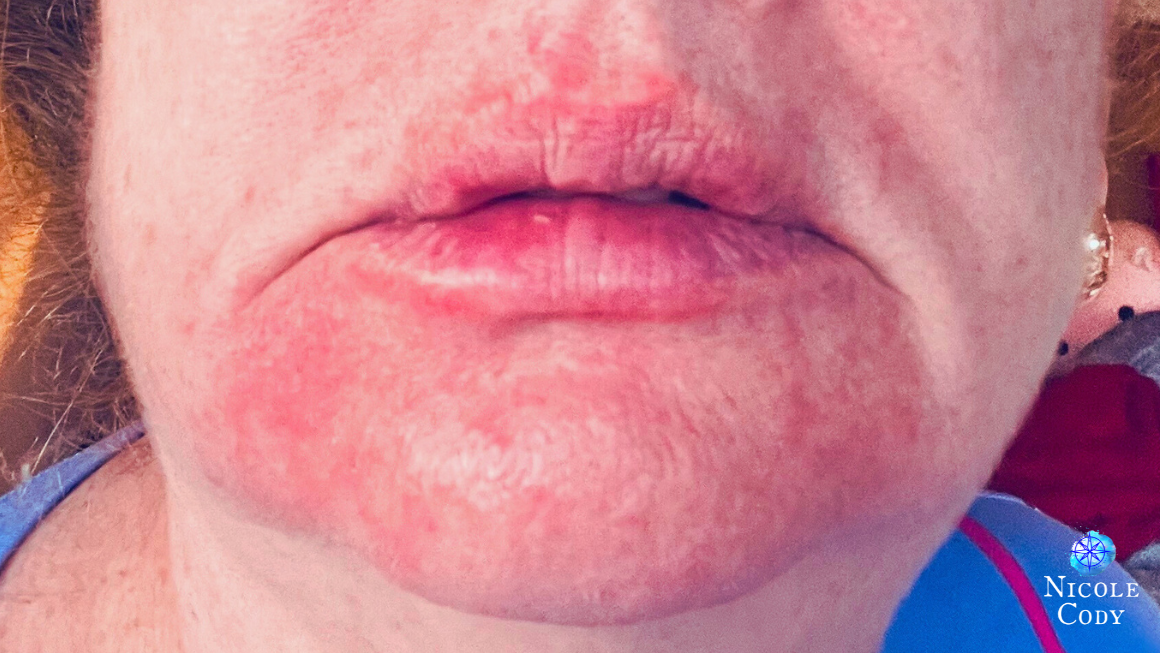
For me, my dental appointment triggered a flare-up that caused my lips to swell and break out in tiny fluid-filled blisters, a symptom that’s often seen in MCAS. Other common symptoms I’m experiencing include severe fatigue, joint pain, headaches, gut pain and cramping, and a feeling of “flu-like” aches. One of the most overwhelming sensations is how your skin can feel like it’s on fire, as if your body is in a constant state of inflammation. Even though my mouth is the most affected, I am also itchy elsewhere, with little electric zaps and burning under my skin.
🔥Triggers and Flare-ups:
Triggers for MCAS vary greatly from person to person, but common culprits include certain foods, medications, stress, environmental allergens, or even physical stressors like dental visits. I’ve learned that what may seem like a routine appointment can sometimes send my system into overdrive. It’s not just what you expect – sometimes the most unexpected events can bring on a flare-up.
👩🏻⚕️Treatment Options and Management:
Managing MCAS involves a combination of lifestyle adjustments and medications. For flare-ups like the one I’m experiencing now, doctors often prescribe antihistamines to control histamine release and mast cell stabilizers to prevent future flare-ups. It also means avoiding known triggers and working closely with my healthcare team to find a balance that works. Every flare-up is a learning experience in how to better manage my condition.
🍃Soothing Skin During an MCAS Flare-Up
When dealing with skin symptoms like swelling, blisters, or intense irritation during an MCAS flare-up, soothing and calming your skin is essential. Here are a few tips to help manage discomfort:
-
Cold Compresses: Applying a cold, damp cloth to affected areas can help reduce swelling and ease the burning sensation.
-
Aloe Vera Gel: Aloe vera is known for its soothing properties and can help calm inflammation and moisturize the skin.
-
Oatmeal Baths: Soaking in a lukewarm oatmeal bath (using colloidal oatmeal or finely ground oats) can relieve itching and soothe irritated skin.
-
Gentle, Non-Scented Skincare: Avoid using products with fragrances, alcohol, or harsh chemicals. Opt for fragrance-free, gentle skincare that supports sensitive skin, like non-soap cleansers or hydrating creams.
-
Hydration: Staying hydrated helps maintain healthy skin and supports your immune system. Drink plenty of water and consider herbal teas known for their soothing properties, like chamomile (if you’re not allergic) or peppermint.
🍽️Histamine-Low Diet for MCAS
Since MCAS often involves an excess of histamine in the body, eating foods that are low in histamines can help reduce flare-ups. Here are some dietary tips for managing histamine levels:
-
Fresh, Whole Foods: Opt for fresh meats, fish, and vegetables. Avoid aged, processed, or fermented foods, which contain high levels of histamine.
-
Avoid Aged Cheeses & Cured Meats: These are known for their high histamine content and can worsen symptoms.
-
Low-Histamine Vegetables: Stick to fresh, non-starchy vegetables like zucchini, carrots, lettuce, spinach, and cucumbers.
-
Grains & Rice: Most grains like rice, quinoa, and oats are generally safe, as long as they’re freshly prepared.
-
Fresh Fruits: Most fruits are fine, but avoid high-histamine fruits like strawberries, bananas, and citrus. Stick with apples, pears, and melons.
-
Avoid Alcohol and Vinegar: Alcohol, especially wine, and vinegar-based foods are notorious for triggering histamine reactions.
-
Herbal Teas: Some teas, like ginger, peppermint, or rooibos, can be soothing and generally low in histamines.
🌸Additional Tips for Managing MCAS Flare-ups:
-
Rest and Relaxation: Give your body time to heal. Stress can be a big trigger for MCAS, so ensure you’re incorporating rest and relaxation into your routine.
-
Antihistamines and Supplements: Consult your healthcare provider about antihistamines or other medications to manage histamine levels. Some people also find relief with supplements like quercetin or vitamin C.
-
Track Triggers: Keeping a journal of your flare-ups, foods, and activities can help identify patterns and avoid potential triggers in the future.
💔The Emotional Toll of Living with MCAS:
Living with MCAS isn’t just a physical challenge—it can take an emotional toll as well. The unpredictability of flare-ups makes even the simplest tasks feel overwhelming, and the constant struggle with invisible symptoms can make you feel isolated at times. But this is the same for some many chronic health conditions, and I know many of you in my community suffer from similar issues and invisible illnesses.
I’ve found that it’s easy to feel like no one truly understands what you’re going through. That’s why I’m sharing my story—because you’re not alone, and it’s so important to know that others see your struggles and care. Talking openly about these challenges not only raises awareness but also reminds us all that we are worthy of support, even when we can’t always see the end of the tunnel.
💖Closing Thoughts:
There are days when living with Lyme, MCAS and other autoimmune conditions feels like a constant battle. If you are also living with health struggles I want you to feel seen. It’s okay to take things one step at a time, and it’s okay to ask for help when you need it. Be gentle with yourself during the tough moments, and remember that healing doesn’t happen overnight—it’s a journey, and each small step is progress. I hope this post brings you some comfort, reminds you that you’re supported, and reassures you that you don’t have to walk this path alone. We are in this together, and I’m sending all my love and healing energy your way. 💖✨ Nicole xx


You are in my thoughts. Sending healing vibes. 💫
Darling Darling Friend .. thank you for sharing & educating those of us who are totally unaware of this other health hurdle you are dealing with. Big BIG gentle hugs XOXO
Sending love. That just sounds awful!
I have never heard of MCAS it sounds horrible and I am sorry you have to deal with this condition
Thank you so much for this Nicole- my sister & I also suffer from MCAS & histamine sensitivity. It really does help to know that others have this condition as well. Stronger together!💖